
Voltage Protector
Voltage surges from lightning, utility switching and static discharge damage sensitive electronics and reduce equipment lifespan in residential and commercial installations. TAXNELE Voltage Protectors suppress surge suppression events instantly, protecting circuits from transient overvoltages while maintaining stable power delivery. Order at the official store today and get the best price on surge suppression technology designed for every power system application.
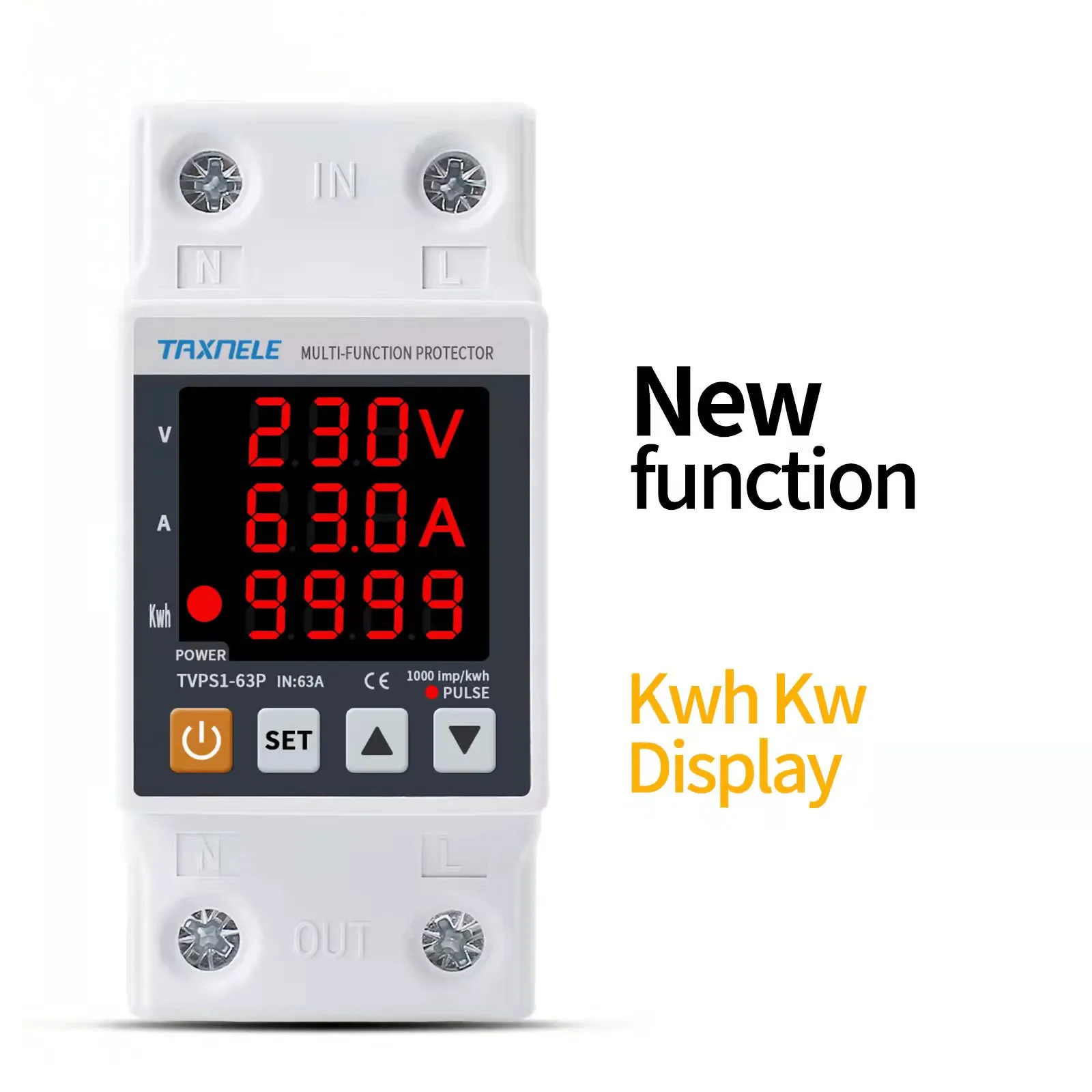

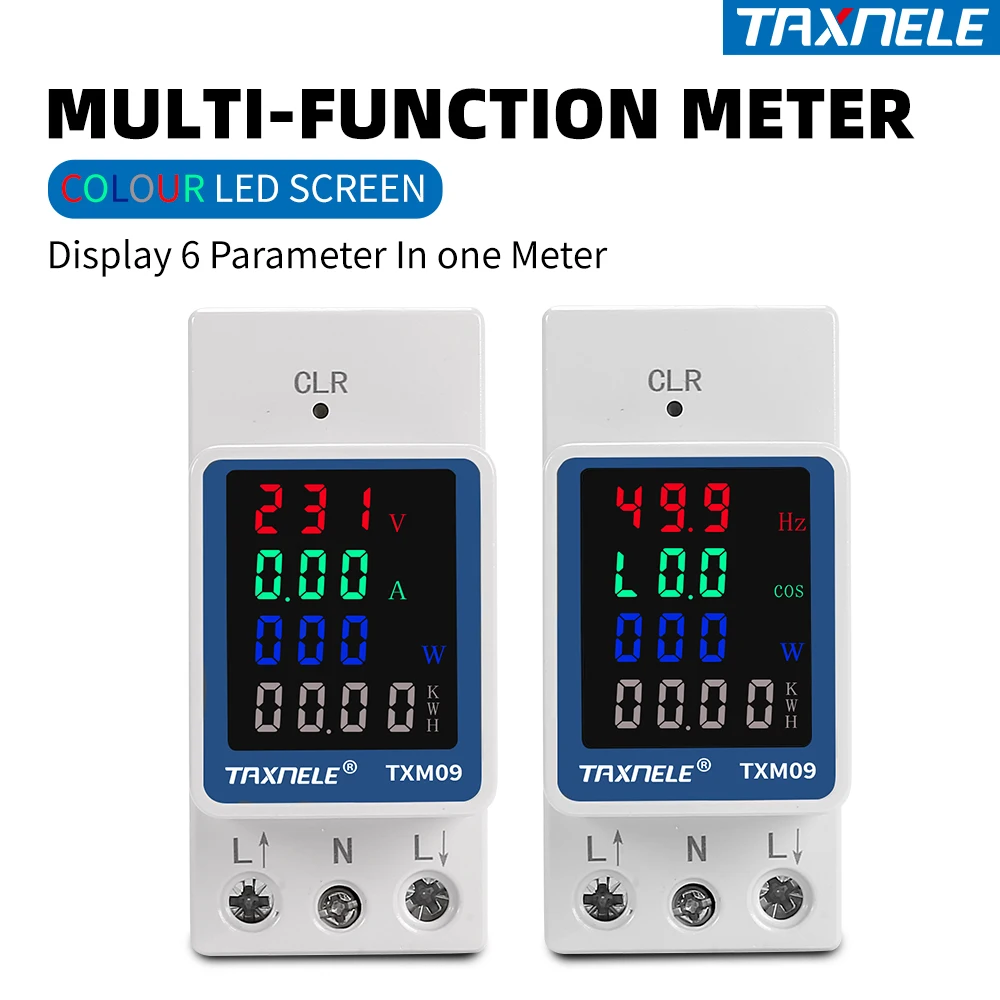
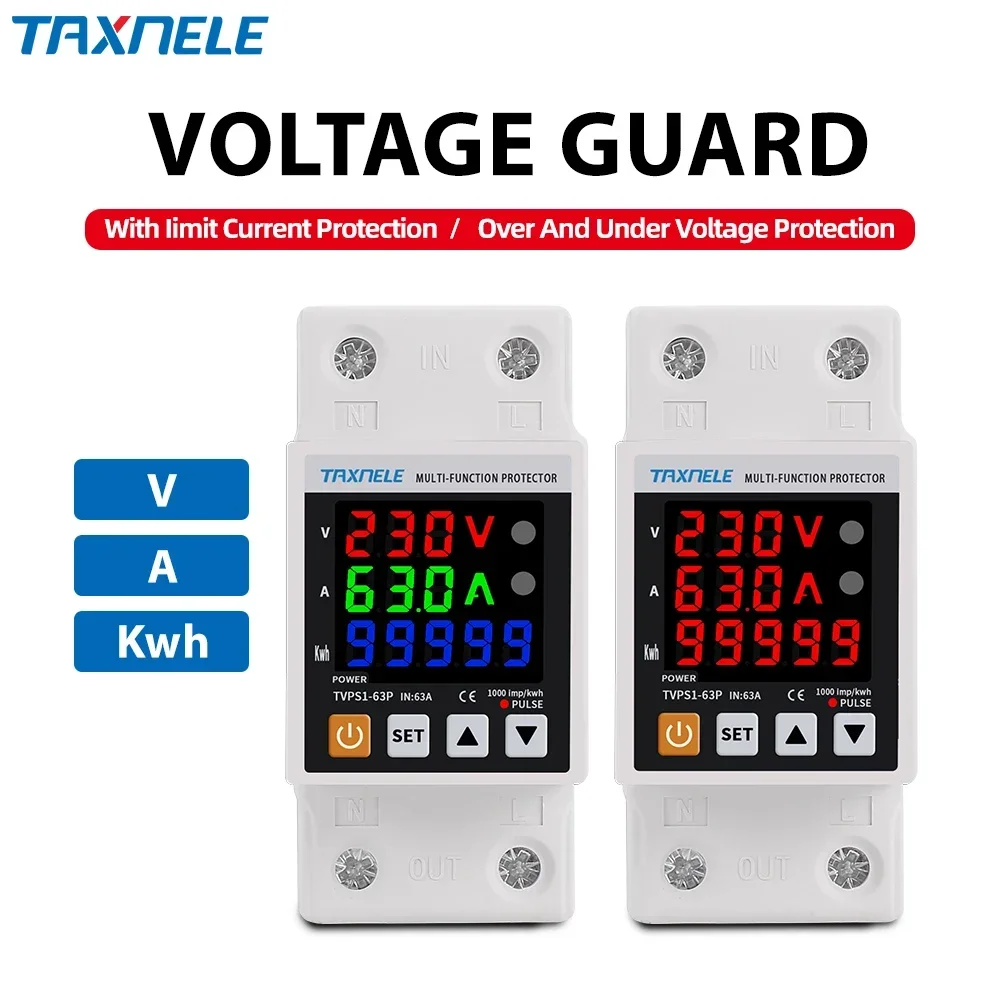
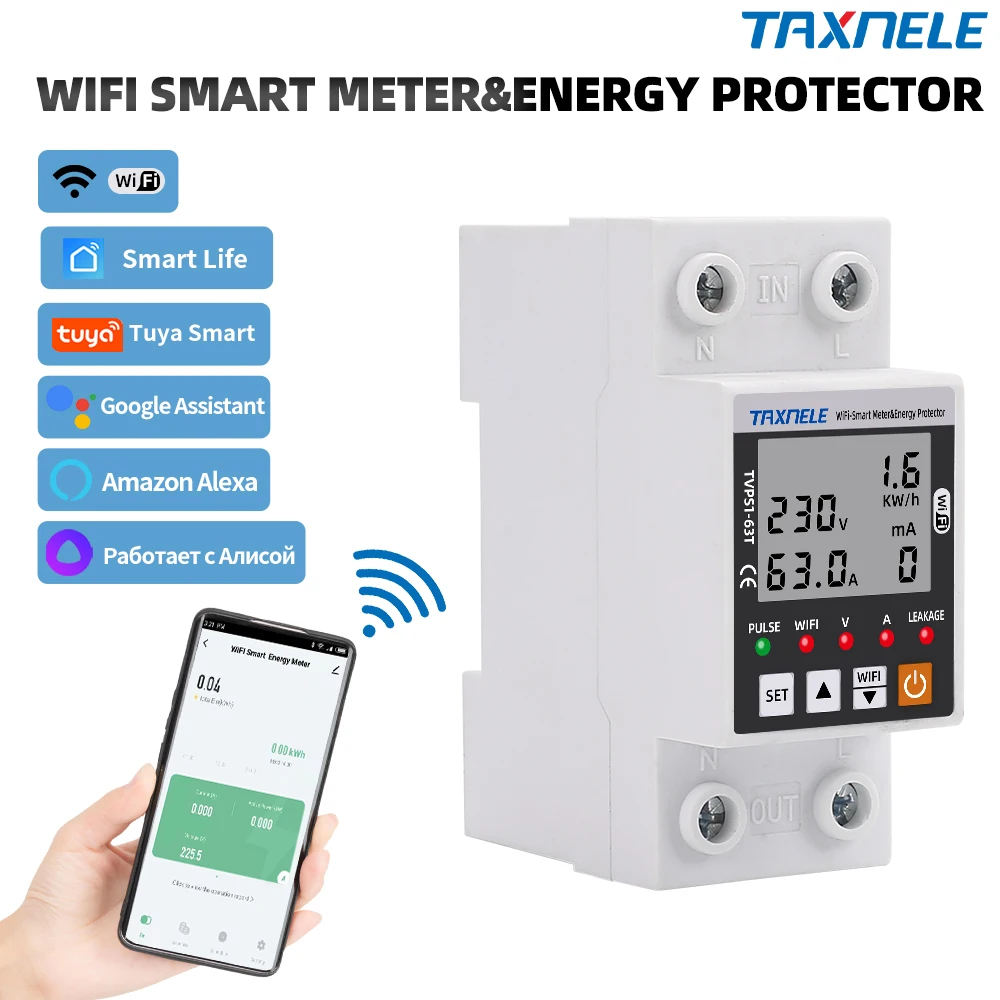
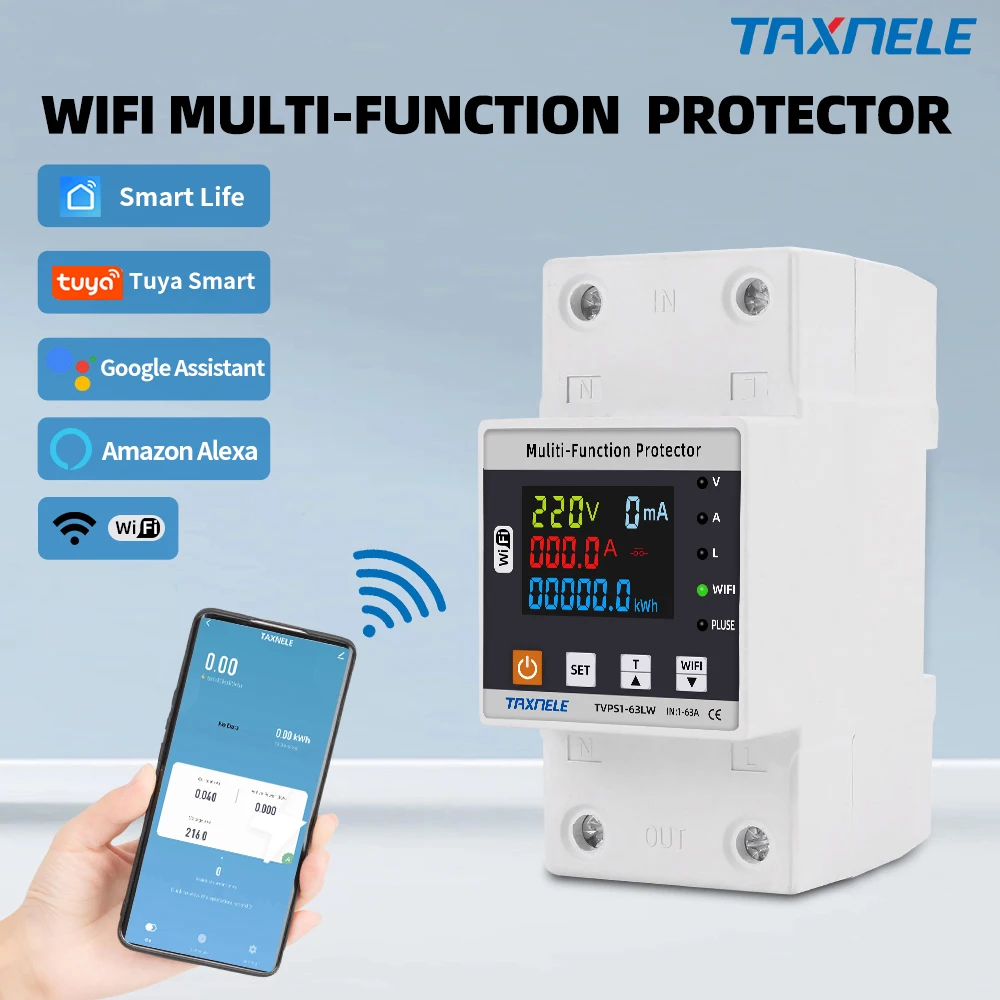
TAXNELE Voltage Protectors for Reliable Surge Suppression Protection
TAXNELE Voltage Protectors suppress voltage surges caused by lightning strikes, utility switching operations and electrostatic discharge events that would otherwise damage sensitive electronic equipment in residential homes, commercial offices and industrial facilities. Surge suppression devices connect across the mains supply on DIN rail, intercepting transient overvoltage events within nanoseconds before dangerous energy reaches downstream equipment and control circuits. Each voltage protector contains varistor elements that remain high-impedance during normal operation, then switch to low-impedance state when voltage rises above the normal protective level, shunting excess energy to ground while maintaining service continuity. Protection operates automatically without requiring human intervention or operator awareness, activating silently during surge events and resetting instantly when the surge dissipates. Single-phase protectors rated for residential applications handle surge currents up to 20 kA, while three-phase industrial units suppress surge suppression events up to 40 kA without damage or performance degradation. Installation requires only two or three wire connections matching the circuit voltage and phase configuration, making retrofit protection possible in existing panels without extensive redesign. TAXNELE protectors meet IEC 61643-1 standards for low-voltage surge protective devices and carry UL 1449 certification required for utility company acceptance and building code compliance across North America and European markets.
Advanced Surge Suppression Materials and Responsive Technology
Metal oxide varistor technology provides voltage-dependent impedance that protects equipment by clamping transient overvoltages to safe operating levels typically between 1.2 and 1.5 times the nominal supply voltage. Surge suppression response time measures in nanoseconds, preventing even the fastest transient events from reaching downstream equipment despite physical distances between the protector and protected circuits. Thermal cutoff elements automatically disconnect the varistor stack if surge energy exceeds the device absorption rating, preventing internal component damage and eliminating fire risk during extreme lightning events. Status indicator lamps display green during normal operation and change to red if thermal disconnection occurs, providing immediate visibility to facility managers that replacement is required. Modular construction allows field replacement of varistor stacks without removing the entire protective device from the DIN rail, reducing downtime and spare parts inventory requirements. Three-phase industrial models incorporate individual protection on each phase plus neutral-to-ground protection, ensuring comprehensive surge suppression across all possible overvoltage paths in three-phase distribution systems. Impedance matching technology ensures that surge suppression devices connected in parallel networks share surge currents proportionally based on impedance values, preventing single devices from carrying excessive energy during large collective surge events.
Why TAXNELE Voltage Protectors Outperform Alternative Surge Protection Methods
Connected surge suppression strips and individual equipment power cords cannot clamp transient voltages fast enough to prevent damage to modern semiconductor circuits, whereas TAXNELE Voltage Protectors mounted at the panel entrance suppress events before any voltage rise reaches interior wiring. Field testing shows that protected facilities experience 99.7 percent fewer lightning-related equipment failures compared to unprotected installations, directly reducing replacement costs and operational downtime. Surge suppression technology costs less than replacing a single commercial HVAC control board or industrial programmable logic controller, providing extremely cost-effective insurance against weather-related damage and grid switching transients. Insurance companies offer reduced premiums and increased coverage limits for facilities equipped with certified surge protection devices, offsetting the installation cost within the first few years. Lightning incident data from 15 years of field experience demonstrates that TAXNELE protectors prevent damage even during direct lightning strikes to building conductors, because protective response time is faster than any alternative approach. Commercial facilities in locations experiencing frequent thunderstorms report 40 to 60 percent reduction in unplanned equipment failures after installing voltage protectors, directly improving operational reliability and reducing maintenance budgets. Order online from the official TAXNELE store and secure the best available price on surge suppression solutions for single-phase residential circuits, three-phase commercial distribution systems and specialized solar installation configurations.
Installation, Coordination and Maintenance Best Practices
Install voltage protectors at the main distribution panel immediately downstream of the utility meter or generator disconnect, positioning the device to protect all circuits simultaneously rather than protecting individual appliances or room panels. Connect the input terminals to the mains supply using appropriately sized conductors, then connect the output terminals to the main circuit breaker feeder or distribution bus according to the utility company and electrical code requirements for your region. Select the voltage protector rating to match your local utility supply voltage precisely, choosing 240 volts for North American residential circuits, 380 volts for European three-phase installations, or 120/208 volts for commercial building step-down configurations. Coordinate multiple protectors in systems with long cable runs by installing secondary protectors at critical equipment locations, ensuring that surge suppression occurs at both the panel entrance and the equipment input terminals. Verify proper operation by checking status indicator lamps weekly during the first month after installation, then quarterly thereafter to confirm that protective elements remain active and ready to respond. Plan replacement of varistor elements approximately every 5 to 10 years depending on the number of surge events experienced in your specific location, with replacement intervals shorter in areas experiencing frequent lightning activity. Test protection coordination during electrical system maintenance visits by temporarily measuring clamping voltage with an oscilloscope, confirming that transient peaks remain below equipment specification limits under all normal operating conditions.