
Smart Meters
Tracking energy consumption across residential, commercial and solar installations requires accurate measurement devices that provide real-time data for billing, optimization and maintenance decisions. TAXNELE Smart Energy Meters deliver real-time monitoring with digital precision, enabling facility managers to identify consumption patterns and respond quickly to abnormal usage or equipment faults. Shop the official store now and order the best price on intelligent metering solutions for residential and commercial power systems.
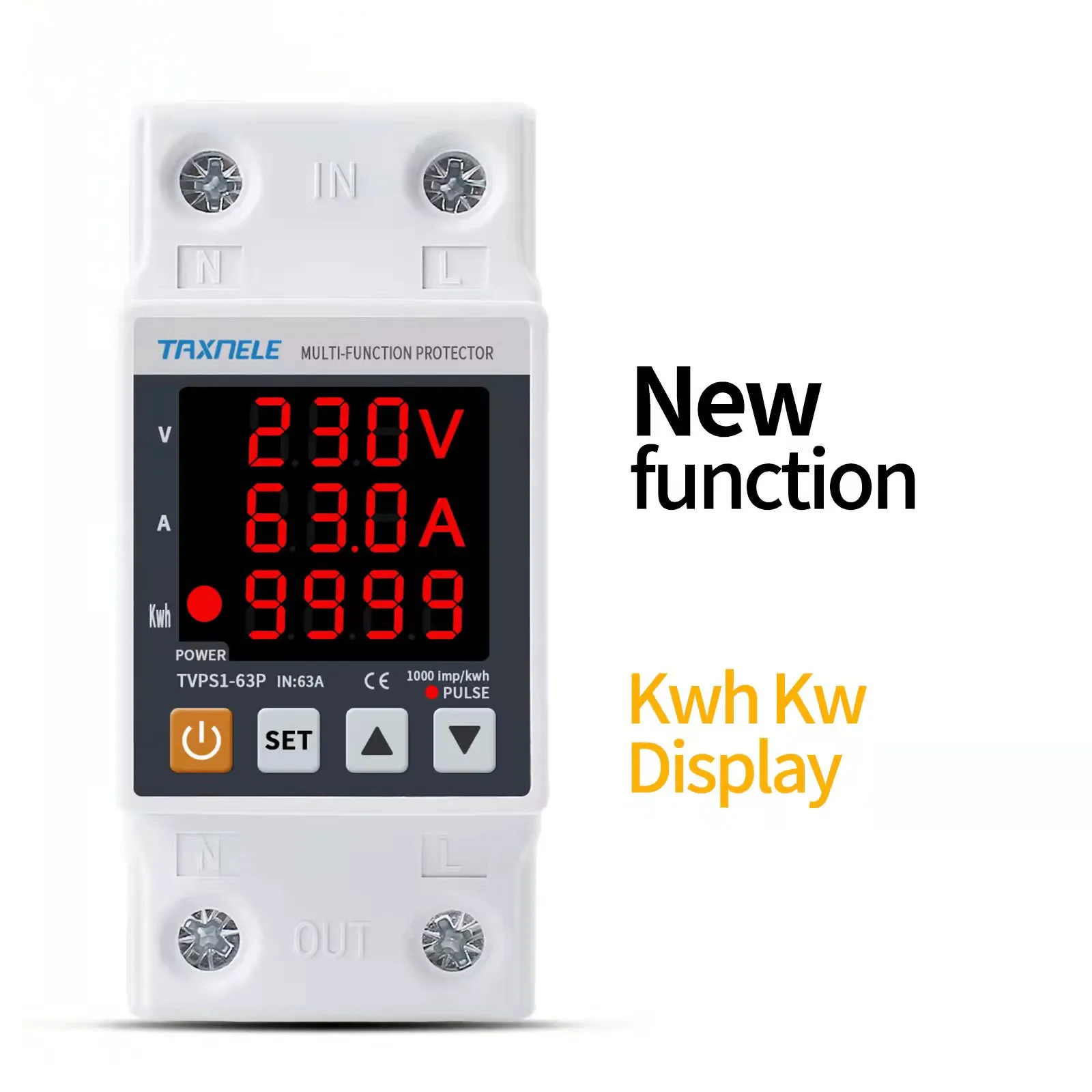
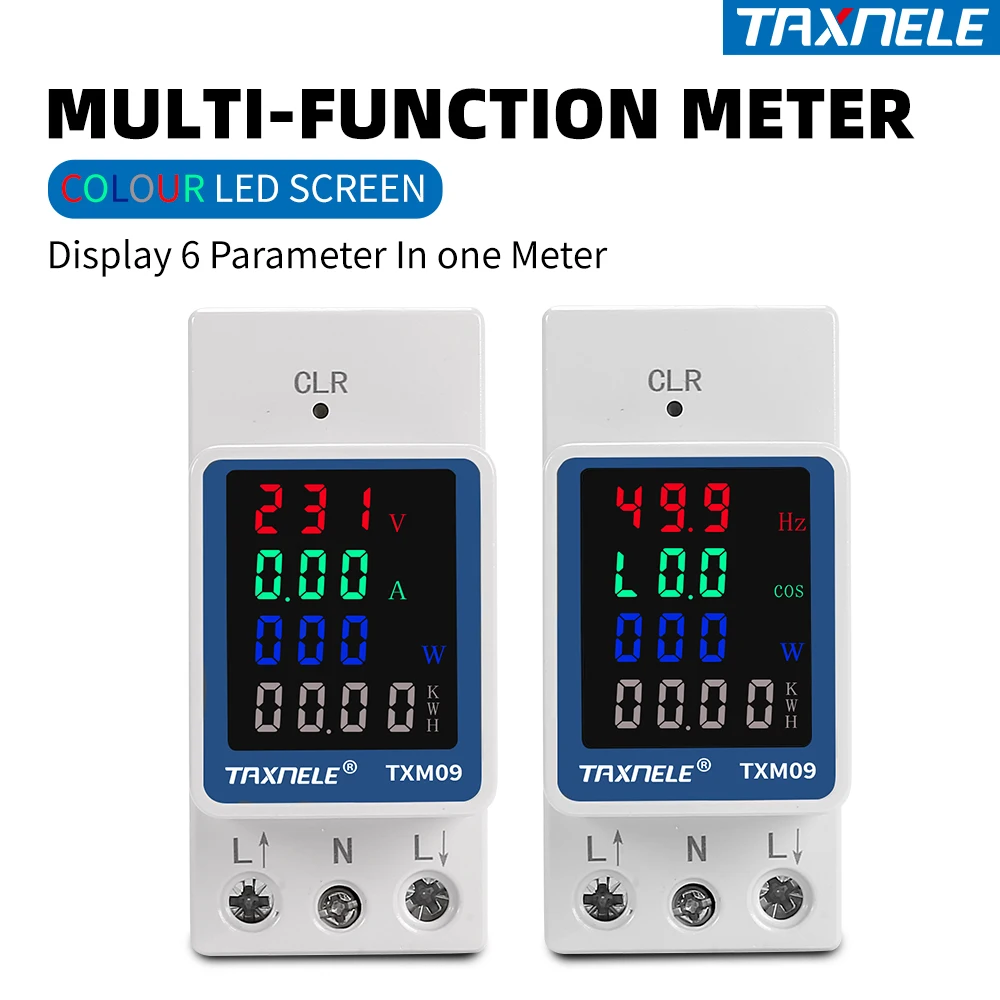
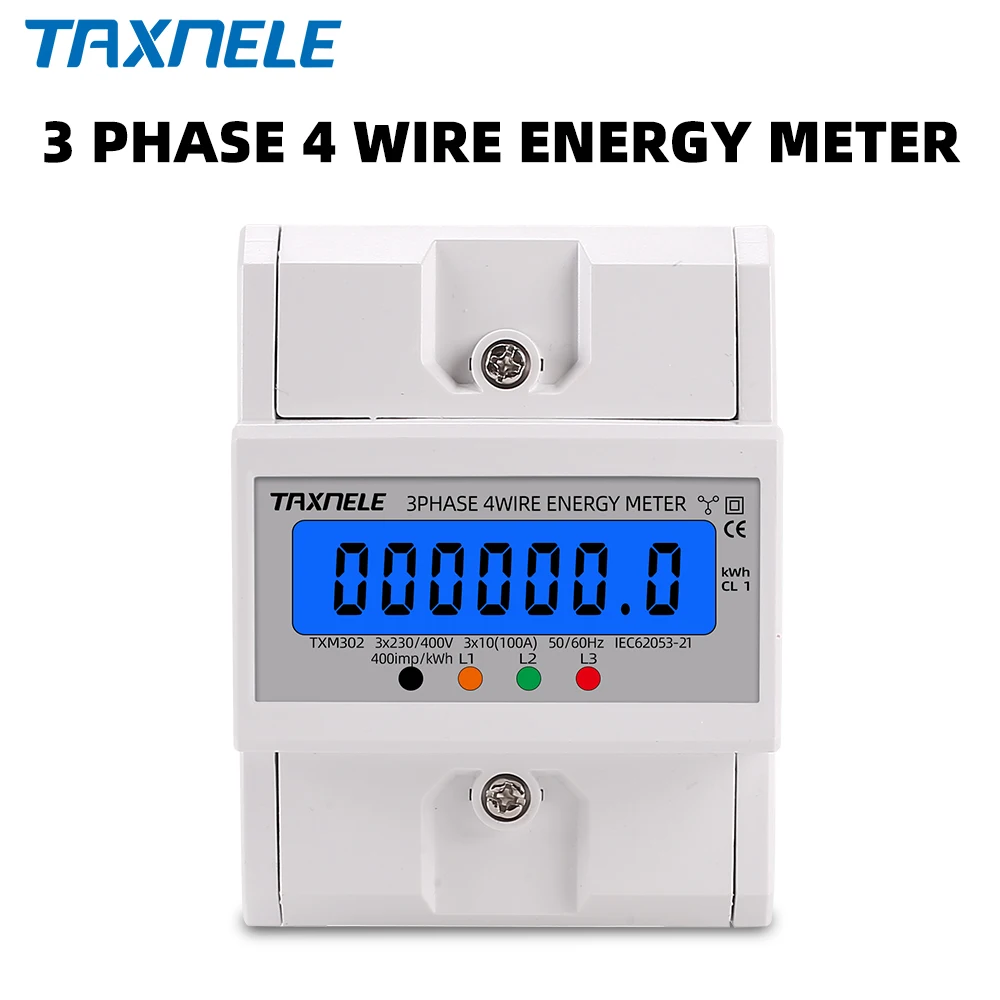
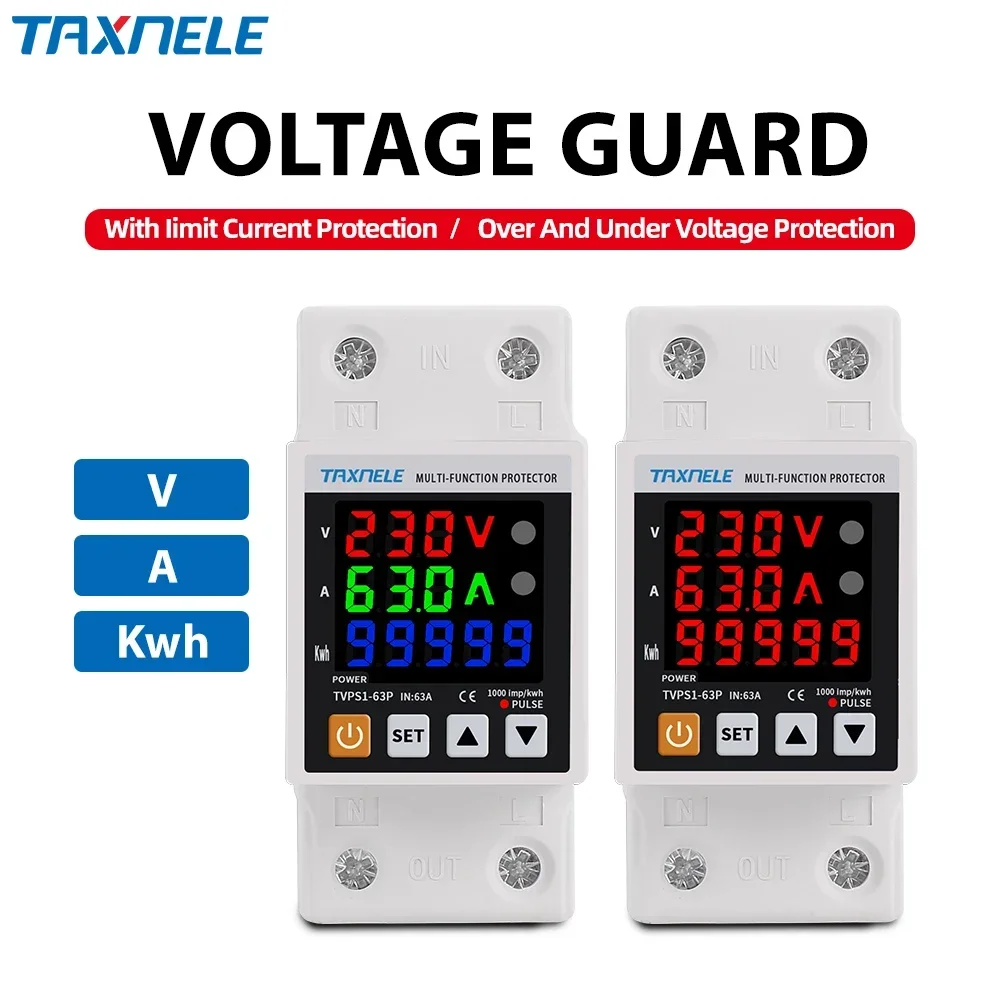
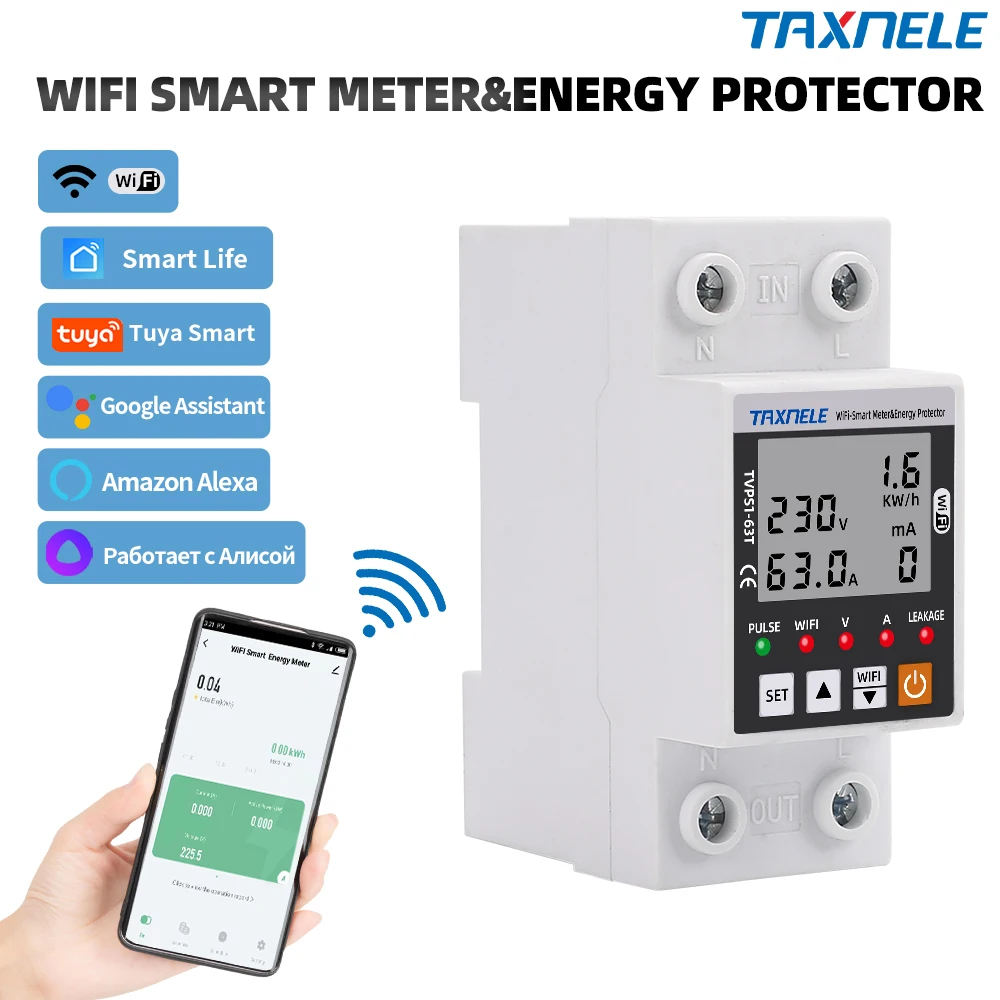
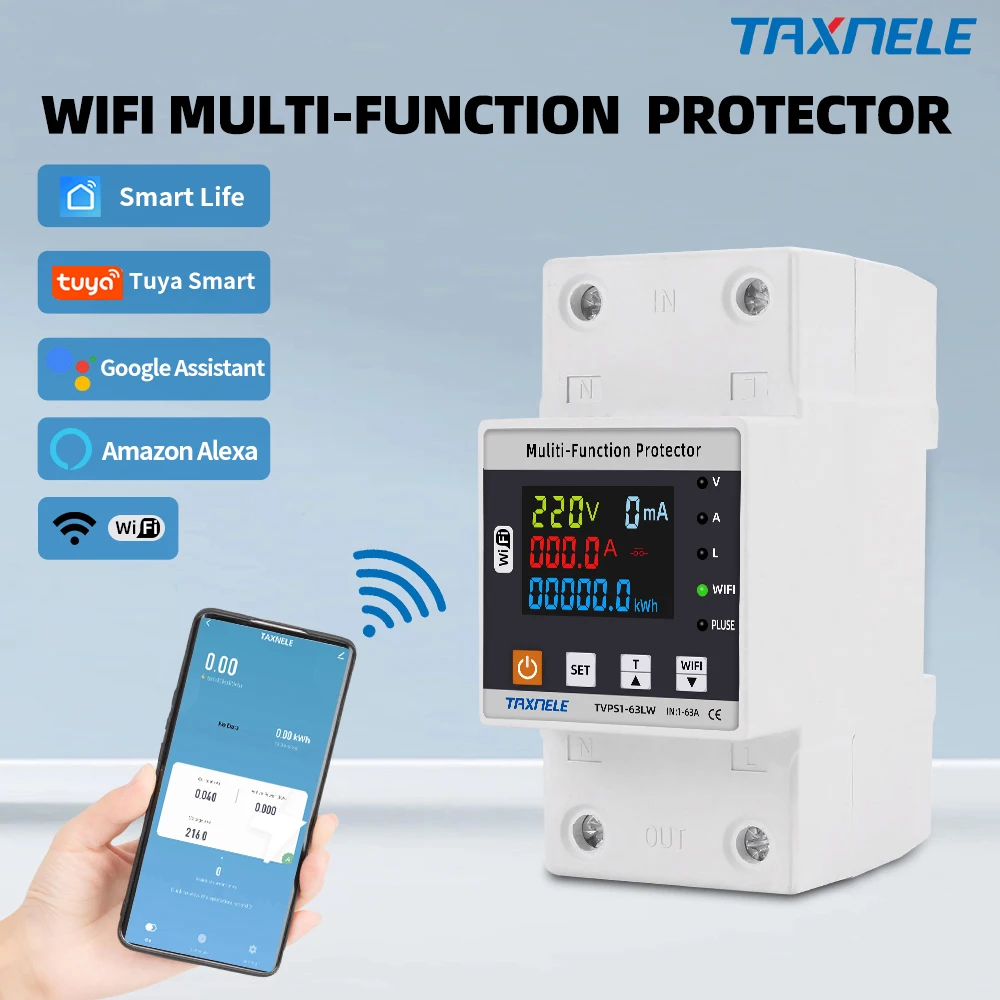
TAXNELE Smart Energy Meters for Real-Time Power System Monitoring
TAXNELE Smart Energy Meters measure electrical consumption with digital precision and communicate instantaneous power flow data to building management systems, utility billing platforms and mobile applications for facility monitoring. These real-time monitoring devices replace mechanical electromechanical meters in residential apartments, commercial tenant spaces and solar installations, providing energy consumption visibility previously available only through periodic manual readings. Each meter incorporates precision current transformers and voltage sensing circuits that calculate watts, kilowatt-hours, reactive power and power factor across single-phase or three-phase circuits serving diverse applications. Real-time monitoring enables operators to identify which equipment consumes peak power and at what time periods, supporting demand-response participation and reducing billing exposure during high-rate periods. Digital memory stores historical consumption data in hourly and daily intervals, allowing trends to be analyzed and equipment performance anomalies detected before failures impact operations or billing. Bidirectional energy flow measurement accommodates solar generation systems and battery storage installations, recording separately the energy delivered to the grid and energy consumed from external sources. TAXNELE meters meet IEC 62053 international standards for electricity metering equipment and carry certifications from utility regulatory bodies across Europe, Asia and the Americas.
Advanced Metering and Communication Technology
Electronic measurement circuits sample incoming current and voltage waveforms 4,000 times per second, computing true RMS values that accurately reflect non-sinusoidal loads common in modern commercial buildings with switched power supplies and variable-frequency motor drives. Integrated pulse output terminals generate one electrical contact closure for each 0.1 kilowatt-hour or 1 kilowatt-hour of consumption, enabling direct connection to building control systems and renewable energy monitoring platforms without requiring secondary communication infrastructure. Modbus TCP network integration allows multiple meters to report consumption data simultaneously to a central server, eliminating point-to-point data collection while providing real-time visibility across all metered circuits. Three-phase meter models automatically detect phase sequence and alert operators if generator connections or distribution system modifications create dangerous reverse-phase conditions that damage three-phase equipment. Current transformer and voltage sensor inputs accommodate measurement ranges from 5 amperes to 400 amperes and 110 volts to 480 volts respectively, allowing a single meter platform to scale across diverse commercial and industrial applications. Memory capacity stores 45 days of hourly consumption data on-board, enabling troubleshooting of intermittent equipment problems even if network connectivity is temporarily lost. DIN rail mounting integrates meters directly into the same control panel infrastructure as circuit breakers and protection relays, reducing wiring complexity compared to separate meter cabinets.
Why Real-Time Monitoring Outperforms Traditional Energy Management Approaches
Facility managers using TAXNELE Smart Energy Meters identify equipment efficiency losses 10 times faster than operations relying on monthly utility bills, enabling corrective actions during the first billing period rather than waiting months for problems to become statistically obvious. Historical consumption data reveals seasonal patterns and allows prediction of peak demand periods, supporting equipment maintenance scheduling that avoids peak-rate exposure and reducing overall electricity costs by 8 to 15 percent in typical commercial environments. Solar installations equipped with real-time monitoring meters demonstrate 5 percent higher annual output compared to similar systems without consumption visibility, because operators adjust loads and battery charging schedules to maximize self-consumption during peak generation periods. Tenant billing in multi-unit residential and commercial buildings becomes transparent and dispute-free when meters provide verifiable consumption records that tenants can access through mobile applications, reducing administrative burden and improving tenant satisfaction. Equipment fault detection occurs automatically when TAXNELE meters identify unexpected power factor changes or consumption patterns inconsistent with normal operational profiles, alerting maintenance staff weeks before catastrophic failures would otherwise occur. Energy consultants specify these real-time monitoring meters because documented consumption reduction typically justifies the investment cost within 18 months through operational efficiency gains. Order from the official TAXNELE store and access the best available price on complete meter portfolios including residential, commercial and solar configurations.
Selection, Installation and Data Access Practices
Choose between single-phase meters for residential circuits and small commercial loads, or three-phase meters for larger commercial tenants and solar installations with bi-directional power flow requirements. Verify the current transformer ratio and voltage input specification match your installation parameters by reviewing the electrical system one-line diagram or consulting with your local utility representative. Install the meter directly on DIN rail downstream of the main disconnect switch but upstream of all distribution circuits, ensuring the metering point captures total facility consumption for billing or consumption analysis purposes. Connect incoming supply wires to the appropriate line terminals according to phase sequence documentation, then connect outgoing load conductors to the corresponding neutral and phase terminals as marked on the meter housing. Configure the consumption unit settings through the front-panel interface or using the optional USB configuration cable, selecting kilowatt-hours as the measurement unit and establishing the communication protocol matching your building management system requirements. Test the pulse output signal by momentarily energizing a known load and confirming that the pulse output terminal generates contact closures at the expected rate according to your meter calibration. Access real-time consumption data remotely through the optional cloud platform or directly through the front panel display, establishing email alerts when consumption exceeds programmed thresholds or equipment operates outside normal parameters.